Wildflower Daisy Pattern: Graphics for Crafts
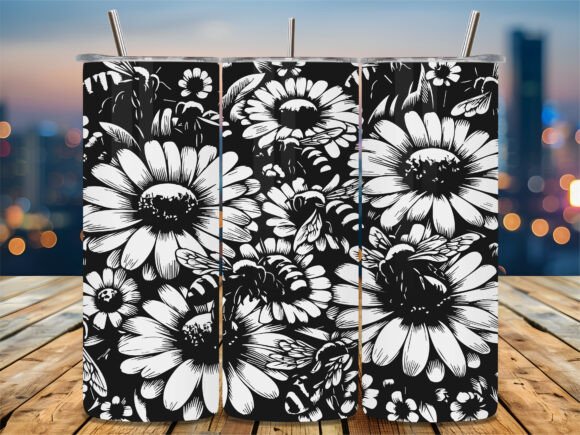
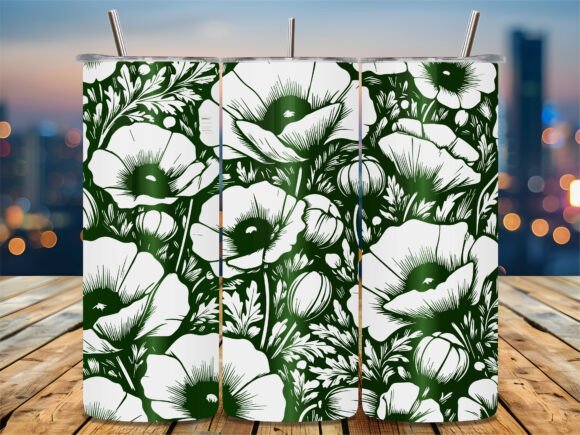
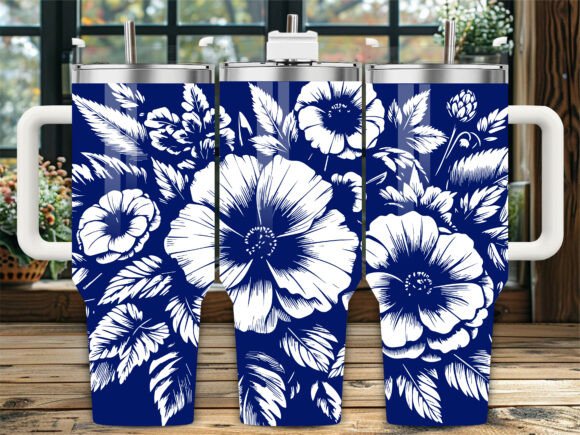
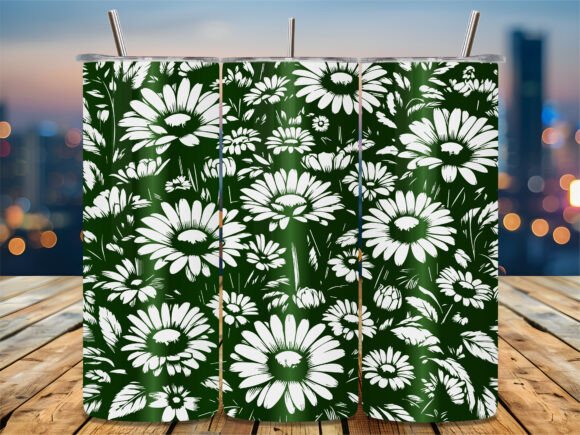
The Wildflower Daisy Pattern is a charming graphic design asset that brings a touch of nature and whimsy to any small business branding project. Its soft, flowing lines and delicate floral motifs evoke a sense of organic beauty and handmade charm, making it ideal for businesses that want to convey warmth, creativity, and authenticity.
Mood and Brand Personality
This Wildflower Daisy Pattern exudes a friendly and approachable vibe, perfect for local businesses looking to connect with customers on an emotional level. It suggests a brand personality that is feminine, playful, and slightly rustic, which can work well for boutique stores, handmade soap businesses, or seasonal product campaigns. The pattern feels both decorative and versatile, allowing it to blend seamlessly into various design contexts without overpowering the overall aesthetic.
Real Business Use Cases
For a small bakery or coffee shop, the Wildflower Daisy Pattern could be used in logo design, packaging design, or as a background for social media graphics. It adds a touch of elegance to product labels and can be incorporated into printable inserts or seasonal campaign visuals. For a skincare brand or handmade soap business, the pattern can enhance the visual appeal of product mockups and promotional banners, helping to create a cohesive brand identity that resonates with eco-conscious consumers.
- Logo design
- Brand identity development
- Product label creation
- Packaging design elements
- Hang tags and thank-you cards
- Stickers and menu graphics
- Flyers, posters, and business cards
- Social media graphics and website banners
- Printable design templates
- Seasonal campaign visuals
Supporting Business Presentation
Using the Wildflower Daisy Pattern can significantly enhance a business’s presentation by creating a stronger first impression and improving product recognition. When integrated into packaging design, it helps establish a clear visual hierarchy and reinforces brand identity across all touchpoints. This consistency builds customer trust and makes products more appealing on store shelves or online marketplaces.
The pattern also supports better marketing visuals by adding a polished and professional look to promotional ads, editorial design, and web design projects. Whether used in a Canva template or as part of a custom SVG design, it offers a flexible solution for creative entrepreneurs and marketers looking to elevate their visual storytelling.
Where It Works Best
The Wildflower Daisy Pattern shines when used as a product label, packaging accent, or hero graphic in marketing materials. It works particularly well in boutique visuals, seasonal packaging, and social media campaign graphics where a soft, natural aesthetic is desired. As a decorative brand element, it can add depth and character to a brand’s overall look without overwhelming the design.
It also serves as a great addition to product mockups and printable design assets, allowing small business owners to experiment with different layouts and color schemes before finalizing their branding strategy.
Where to Use with Caution
While the Wildflower Daisy Pattern is highly versatile, it should be used carefully in certain contexts. For formal corporate branding, its decorative nature may not align with the sleek and minimalistic aesthetics preferred by many businesses. Similarly, it may not be suitable for very small labels or crowded product packaging where clarity and readability are essential.
In areas where legal information or ingredient lists are required, the pattern could compete with important text, making it difficult for customers to read. Additionally, it may not work well on low-contrast backgrounds or in luxury minimalist brands where simplicity is key.
Practical Designer Notes
Before finalizing the use of the Wildflower Daisy Pattern for a client’s project, it’s essential to test it on real packaging mockups to see how it translates in print. Checking black and white usage is also important, as some patterns may lose their visual appeal when stripped of color. Previewing it on small labels ensures that the details remain visible and legible.
Testing the pattern with different brand colors helps determine how well it complements the existing palette. Comparing it with competitor packaging can reveal whether it stands out in a positive way. Reviewing PNG transparency and inspecting SVG or vector editability ensures that the file is suitable for various design applications.
It’s also wise to test the pattern beside different font styles—serif, sans serif, script, handwritten, and display fonts—to ensure that the overall design remains balanced and professional. Finally, always confirm commercial licensing before using the asset for client work, business branding, or physical product sales to avoid any legal issues.
Conclusion
The Wildflower Daisy Pattern is a valuable graphic design asset that can greatly benefit small business branding, product packaging, and promotional visuals. Whether used in a handmade soap business, a boutique store, or a seasonal campaign, it adds a touch of organic beauty and creativity that resonates with customers. By understanding its strengths and limitations, designers can make informed decisions that enhance the overall visual appeal and professionalism of a brand’s presentation.