Poppy Wildflower Pattern: Graphics for Crafts
As a graphic designer with years of experience in branding, packaging, and digital design, I often seek out high-quality design assets that can elevate a project without overwhelming it. The Poppy Wildflower Pattern caught my attention as a potential asset for a client’s seasonal campaign. Its delicate floral motif and soft, natural aesthetic make it ideal for handmade businesses, Etsy products, and print-on-demand ventures. But is it suitable for real-world design work? Let’s take a closer look.
The First Impression: A Delicate Balance of Nature and Design
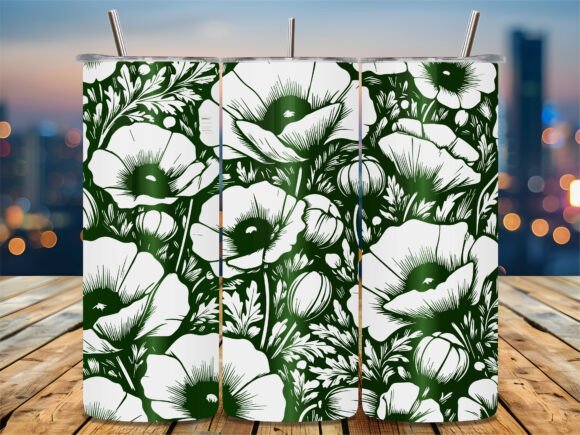
Poppy Wildflower Pattern exudes a calm, organic energy. The design features stylized poppies and wildflowers arranged in a flowing, asymmetrical layout. The lines are clean, the shapes are well-proportioned, and the overall composition feels both artistic and professional. It’s the kind of design that can add visual interest without clashing with other elements in a layout.
This pattern works best when paired with minimalist or rustic themes. It fits naturally into creative markets like handmade goods, seasonal decor, and lifestyle branding. For a small business looking to create a cohesive visual identity, this could be a strong foundation for product labels, packaging, or social media graphics.
Real-World Applications: Where Poppy Wildflower Pattern Shines
When considering real design situations, the Poppy Wildflower Pattern excels in several areas. As a printable design, it can be used for t-shirt designs, sticker art, or wall decor. Its vector format makes it ideal for SVG design and Cricut projects, where precision and scalability matter. For packaging design, it adds a touch of elegance without being too busy.
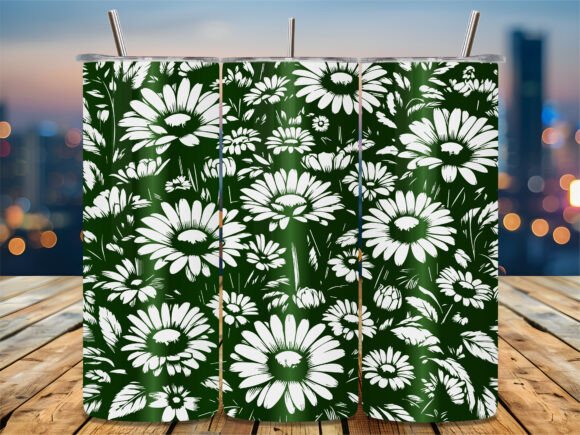
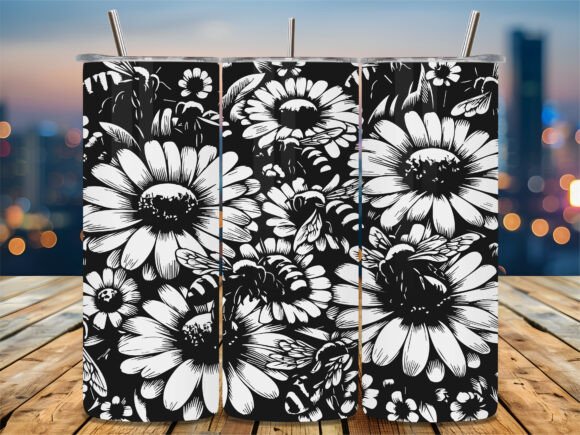
In social media graphics, this pattern can serve as a background for Instagram posts, Pinterest pins, or Canva templates. It also works well as a product mockup element, especially for items like mugs, tote bags, or reusable bottles. The design’s soft lines and gentle colors make it perfect for brand identity elements that aim to evoke warmth and authenticity.
For editorial design or web design, it can act as a decorative accent, adding depth to headings or section dividers. In digital ads, it can help draw attention without distracting from key messaging.
Best Uses: Large Layouts and Themed Campaigns
Poppy Wildflower Pattern thrives in large layout areas where its intricate details can be appreciated. It’s an excellent choice for hero graphics, campaign visuals, or themed collections. When used as a background in a design bundle, it can complement other elements like fonts, icons, or illustrations.
It also works well as a decorative accent in packaging details or printable designs. For Etsy products or print-on-demand items, it can be a unique selling point that sets a brand apart from competitors.
Where to Use With Caution: Minimalist and Corporate Projects
While Poppy Wildflower Pattern has many strengths, it’s not a one-size-fits-all solution. In minimalist branding or professional corporate materials, it may feel too ornate or inconsistent with the desired tone. Similarly, in low-contrast designs or crowded layouts, the pattern could become visually overwhelming.
If a project requires a very clear visual hierarchy, this design might need to be used sparingly. It’s important to test it in black and white, check contrast on light and dark backgrounds, and preview it at different sizes before finalizing any design.
Design Considerations: What Every Designer Should Check
Before using Poppy Wildflower Pattern for a client project, there are several practical steps to take. First, test it in black and white to ensure it still looks good without color. Then, check how it appears on light and dark backgrounds—some patterns can lose clarity in certain contexts.
Preview the design at small and large sizes to see if the details remain sharp. Place it on real mockups to get a sense of how it will appear in physical or digital formats. If it’s intended for print, review the file formats and PNG transparency if applicable. For vector files, confirm that they are editable and scalable.
Compare it with different font styles—serif, sans serif, script, or display—to see how it interacts with text. Finally, always verify the commercial license to ensure it’s suitable for commercial design or small business branding.
Final Thoughts: A Versatile Asset for the Right Project
Poppy Wildflower Pattern is a thoughtful design asset that can enhance a wide range of creative projects. Its natural aesthetic and clean lines make it ideal for handmade businesses, seasonal campaigns, and print-on-demand ventures. However, it’s not a universal solution and should be used with care in certain contexts.
As a designer, I would consider this pattern for a client looking to create a warm, inviting brand presence. Whether it’s used in packaging design, social media graphics, or Canva templates, it has the potential to elevate a project’s visual appeal. Just remember to test it thoroughly and ensure it aligns with the brand’s overall vision.