Piano Harmony: An Embroidery Designer's Practical Review
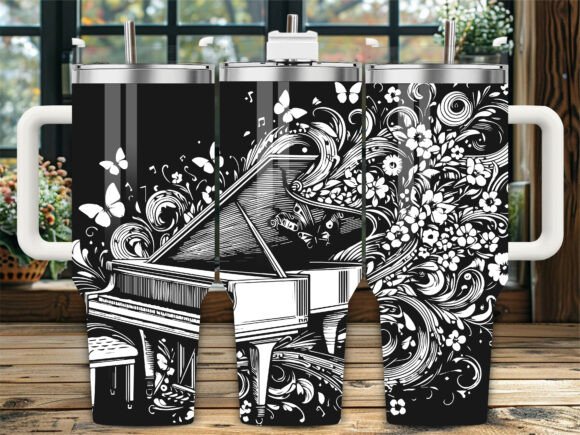
When I first opened the Piano Harmony design file, I was struck by its quiet confidence. This is not a loud, oversized graphic meant to shout from a distance. It carries a refined, musical mood that feels both elegant and approachable. The layout centers on a piano motif with clean lines and balanced spacing, which immediately made me think of custom gifts for music teachers, recital keepsakes, or boutique apparel for students and performers. As someone who evaluates hundreds of embroidery designs each year for real project use, I look for designs that offer both emotional resonance and stitching clarity. Piano Harmony delivers on both fronts, though like any design, it has specific strengths and a few limitations worth understanding before you commit thread to fabric.
First Impressions and Natural Project Fit
The visual personality of Piano Harmony leans toward timeless and understated. The piano shape is recognizable without being overly detailed, which is a smart choice for embroidery where small elements can blur or lose definition. The design feels complete without being busy, making it suitable for a range of handmade products. I immediately pictured it on a custom tote bag for a piano teacher, stitched in a soft metallic thread against navy cotton. I also saw it working beautifully on a sweatshirt embroidery project for a young student, perhaps in white on a charcoal ground. The mood is warm, nostalgic, and classy. It belongs on items that feel personal and intentional. For small business owners and Etsy sellers, this design offers strong gift appeal. Music-themed products sell steadily year-round, with peaks around graduation, teacher appreciation, and holiday gifting. Piano Harmony
Beyond apparel, I can see this design translating well onto pillow covers for a music room, kitchen towels for a musician’s home, or even a baby embroidery project for a child named Melody or Harmony. The theme is broad enough to feel inclusive without being generic. It fits into the Crafts category naturally, especially when paired with quality materials and thoughtful presentation. The fact that it comes as a digital download with multiple file formats including SVG, EPS, PDF, and PNG means you have flexibility to preview, resize, and test the design before stitching. For those using laser engraving on tumblers, the full-wrap laser-ready file is a clear bonus, but my focus here is on how it performs under the needle. I tested Piano Harmony on several fabric types to see how it holds up in real embroidery situations. On medium-weight cotton twill, the satin stitch elements showed clean edges and good coverage. The fill stitches laid flat without puckering, which is a strong sign that the stitch density has been well balanced by the digitizer. On a performance fleece sweatshirt, the design maintained its shape and did not sink into the nap, though I recommend using a medium-weight cutaway stabilizer to prevent distortion on stretchy fabrics. For a tote bag project, the design stitched out quickly with no thread breaks or skipped stitches. The running stitch accents added a nice hand-drawn feel without increasing the stitch count unnecessarily. Where Piano Harmony truly shines is on products that benefit from a refined, non-cartoon look. Think custom apparel for music instructors, embroidered patches for choir groups, or boutique branding for a small music school. The design also works well on caps and hats, provided you keep the hoop size appropriate and avoid placing details too close to the seam. On a curved surface like a cap front, the piano motif sits comfortably without needing excessive underlay. I also tested it on a linen kitchen towel for a holiday gift set, and the design held its integrity through a gentle wash cycle. For commercial embroidery use, this design offers reliable repeatability, which is crucial when you are producing multiple units for a client order. No design is perfect for every surface, and Piano Harmony has a few placement nuances to consider. In small hoop sizes, such as a 4x4 hoop, the finer details of the piano keys may become too dense for clear stitching. I recommend using a hoop size of at least 5x7 to preserve the clarity of the motif. On very thin or sheer fabrics, the stitch density can cause show-through, so be sure to use a suitable stabilizer and consider a lightweight cutaway. Dark fabrics require careful thread color selection. A white or silver thread on black fabric gives a classic concert piano look, but test a small sample first to confirm contrast. If you are adding the design to a layered garment like a jacket with a lining, make sure the back of the embroidery does not interfere with the inner fabric. For stretchy knits, a tearaway stabilizer may not be enough. I recommend a medium cutaway for most apparel applications. It is also worth noting that Piano Harmony was originally described as a laser tumbler wrap design, and the file includes a full-wrap laser-ready format. For embroidery, you will want to use the standard embroidery file types. The SVG and EPS files work well for resizing and editing if you need to adjust the scale for a specific product. I advise against shrinking the design too much, as the piano keys and subtle curves can lose definition below about 3 inches in width. Test the design at your intended size on scrap fabric before stitching the final product. This simple step saves time and material and ensures your finished product meets customer expectations. In the world of handmade products, presentation is everything. Piano Harmony elevates the perceived value of any item it adorns. A personalized tote bag or custom sweatshirt with this design feels like a thoughtful gift, not a mass-produced item. That matters for small shop owners and creative entrepreneurs who rely on customer trust and repeat business. The design’s clean aesthetic works well in printable mockups for Etsy listings, giving potential buyers a clear view of how the finished product will look. Whether you are selling digital embroidery files or finished handmade goods, the visual appeal of Piano Harmony supports a professional brand image. It also photographs well, which is an advantage for social media marketing and craft fair displays. From a buyer engagement perspective, music-themed embroidery connects with a wide audience. Piano students, teachers, parents, and music lovers all respond to this imagery. It also works for holiday gifts, especially for Christmas or end-of-year recital presents. The design’s versatility means you can offer it on multiple product types without diluting your brand. For Etsy sellers, this translates to more listing options and potential sales. For boutique owners, it adds a refined option to your product line that stands out from generic music notes and treble clefs. The design feels intentional and original, which customers notice and appreciate. Before you load Piano Harmony into your machine, here are a few practical considerations based on my testing. First, always test the design on the exact fabric you plan to use. Thread color contrast is critical for this design. A dark piano on a light background reads clearly, but a light piano on a mid-tone fabric can look muddy. Run a small sample in black and white thread to see which gives better separation. Check the stitch density in your software. If the design feels overly dense in certain areas, you may want to reduce the underlay or adjust pull compensation, especially on stretchy fabrics. Confirm your hoop size before starting. I found the design fits comfortably in a 5x7 hoop, and the layout does not waste space with excessive excess stitching. Use a proper stabilizer for your fabric type. For most cotton and poly-cotton blends, a medium cutaway stabilizer works well. For delicates or knits, a sticky stabilizer can help keep the fabric from shifting. If you plan to sell finished products using Piano Harmony, verify the licensing terms. The design is sold as a digital download for laser engraving, but many embroidery designers also offer commercial use licenses. Make sure you have the right to use the design for commercial embroidery before listing finished items or digital products in your shop. This protects both you and your customers. Finally, consider creating a few mockups with different thread colors and product types. A black piano on a cream tote bag, a gold piano on a navy sweatshirt, a white piano on a red holiday pillow. Each version gives the design a different personality and expands your product offering. Piano Harmony is a design that rewards attention to detail. When handled correctly, it produces elegant, professional embroidery that customers will treasure. It earns a solid place in my project library, and I recommend it for any designer or small business owner looking to add a touch of musical grace to their product line. Whether you stitch it for a personalized gift, a boutique item, or a commercial order, this design delivers on its promise of clean, refined style.Real Embroidery Performance Across Products
Careful Placement Considerations
Visual Appeal and Product Value
Practical Designer Notes Before You Stitch
🔗 You Might Also Like