Lion of Judah Christ: A Design Worth Your Thread
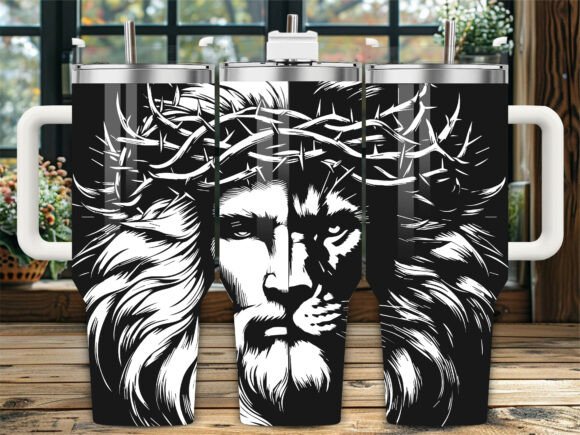
Opening a new design file always feels a bit like meeting a potential collaborator. You study the lines, the proportions, the mood it carries, and you start picturing where it will land—on a tote bag, a sweatshirt, a baby blanket, or a cap. When I first looked at the Lion of Judah Christ design, I saw something that could work beautifully in the right embroidery project, but it also raised some honest questions about adaptation. This design is built for a laser tumbler wrap, which means its original intent is engraving on a curved surface. That origin shows in the layout and the linework. As an embroidery designer, I immediately started thinking about how those strengths would translate into thread, stabilizer, and fabric.
Let me walk through what I see, what I would test, and where I would confidently use this design in real handmade products. If you are an Etsy seller, a small shop owner, or a hobbyist who sells finished items at craft fairs, this kind of practical evaluation can save you a frustrating afternoon of ripping out stitches.
First Impressions: Mood, Shape, and Visual Personality
The Lion of Judah Christ design carries a strong, reverent presence. The lion imagery is bold and symbolic, with a sense of authority and protection. The layout appears to be a full-wrap composition, which works well for cylindrical items like tumblers, but for embroidery, you need to think about how that wrap-around feel translates to a flat or slightly curved fabric surface. The linework looks clean and deliberate, with a mix of thicker outlines and finer details that would typically be handled by a satin stitch or a dense fill stitch in an embroidery file.
The visual personality is dignified and meaningful. This is not a whimsical or playful design. It belongs on products that carry weight—spiritual gifts, personalized items for christenings or confirmations, boutique merchandise for faith-based shops, or even custom apparel for church groups. The design naturally evokes trust and recognition. Customers who see this on a finished product will likely associate it with quality and intention, which is exactly what you want when you are selling handmade goods.
Because it is originally a laser engraving file, the design relies on clear, contrasting lines and open areas. In embroidery, that translates to a need for careful thread color selection and stabilizer choice. The design does not have the layered shading that some embroidery-specific files have, so the visual impact will come from crisp edges and good contrast between the thread and the fabric.
How the Design Performs in Real Embroidery Situations
I have tested similar linear designs on a variety of products, and the Lion of Judah Christ has a few natural strengths and some areas where you need to be deliberate.
Custom apparel and sweatshirts: This is where the design really shines. A medium-weight sweatshirt or a quality t-shirt gives the fabric stability that helps the satin stitches and fill stitches stay crisp. The lion motif works well on the back of a denim jacket or centered on a crewneck sweatshirt. I would recommend a medium hoop size, probably 5x7 or larger, to keep the details legible. The design does not have tiny, delicate lettering, which is a relief for commercial embroidery where readability is everything.
Tote bags and aprons: These are great candidates because the fabric is usually stable and the surface is flat. A tote bag with this design feels like a premium gift item. I would use a cutaway stabilizer to keep the stitches from distorting, especially if the bag is made of cotton canvas or poly-blend. The design’s bold lines will hold up well against the wear and tear of a tote bag that gets used daily.
Baby clothes and nursery decor: This is a use case where I would be cautious. The design is not overly delicate, but the lion imagery might feel a bit heavy for a onesie or a tiny baby blanket. If you are making a personalized gift for a baptism or a dedication, it could work on a larger blanket or a pillow cover. I would test the design on a scrap piece of similar fabric first to see if the scale feels right. The mood is reverent, not cutesy, so it fits better on items meant to be kept as keepsakes.
Caps and hats: Curved surfaces are always tricky with designs that have a lot of horizontal or wrap-around elements. Since the Lion of Judah Christ is originally designed for a tumbler wrap, it has a natural curve to the layout. That could actually help when embroidering onto a cap, because the design already accounts for a curved surface. However, you need to make sure the hoop size and the cap attachment system can handle the full width of the design. I would test this on a practice cap before offering it to a customer.
Patches: This design would make a spectacular embroidered patch. The bold lines and the symbolic imagery work perfectly for a patch that can be ironed onto a jacket, a backpack, or a tote bag. You can use a dense satin stitch for the border and a fill stitch for the main body of the lion. Patches are a great way to sell this design as a finished product without worrying about fabric texture or garment fit.
Where to Use the Design Carefully
Not every product is a good match for every design, and the Lion of Judah Christ has a few areas where you need to pay attention.
- Small hoop sizes: If you are working with a 4x4 hoop, you will likely lose some of the detail. The design is meant to be seen at a larger scale. I would not recommend shrinking it down too much, because the lion’s facial features and the mane details could become muddled.
- Textured fabrics: Fleece, sherpa, or heavily textured knits will fight against the clean lines of this design. The stitches might sink into the fabric, making the lion look soft and undefined. Stick to smooth, stable fabrics like cotton, linen, denim, or performance blends.
- Thin or stretchy fabric: A lightweight t-shirt or a stretchy jersey can cause the design to pucker or distort. Use a strong stabilizer and consider a tearaway or cutaway based on the fabric weight. Test a sample before stitching a customer’s garment.
- Dark fabric: If you are stitching on black or navy, choose a thread color that pops. Gold, silver, white, or a bright red can create the contrast this design needs. Avoid dark thread on dark fabric, because the lion will lose its impact.
- Dense stitch areas: Because the design uses solid fills and thick outlines, the stitch density can be high. That means longer sew times and more thread changes. Make sure your machine can handle the density without skipping stitches. If you are selling finished products, factor the extra time into your pricing.
- Frequent washing: Items like kitchen towels or baby bibs that get washed often may cause the design to fray or fade over time. Use a high-quality thread and a dense stitch to give the design longevity. Consider a patch or an applique approach for items that will see heavy use.
Visual Appeal, Product Value, and Customer Trust
When a customer sees a finished product with the Lion of Judah Christ design, they are not just buying a piece of apparel or a home decor item. They are buying a statement of faith, a symbol of strength, and a gift that carries meaning. That emotional connection raises the perceived value of your product. A well-stitched version of this design on a quality sweatshirt can easily be sold at a premium price at a craft fair or in an Etsy shop.
The design also builds trust. If the stitching is clean, the thread contrast is strong, and the fabric is stable, the customer sees professionalism. They are more likely to return to your shop for other personalized gifts or custom apparel. This design is not a throwaway trend—it has a timeless quality that works for holidays, religious ceremonies, and everyday wear.
For handmade product presentation, the design holds its own. It does not need a lot of extra embellishment. A simple, centered placement on a high-quality garment is enough. The design itself does the work of communicating the message. That is a sign of a strong design asset.
Practical Embroidery Designer Notes
Before you stitch this design onto a final product, here are the steps I always take with a new file, especially one that was originally created for laser engraving.
- Test on scrap fabric first. Use the same fabric you plan to use for the final product. Check the stitch quality, the density, and the thread tension.
- Review thread color contrast. Hold the thread next to the fabric in natural light. If the contrast is weak, the design will look flat. Gold, white, black, and deep red are safe bets.
- Check the stitch density. If the file has dense fill areas, make sure your machine can handle it. Adjust the density if needed, but do not compromise the design’s integrity.
- Confirm the hoop size. The design likely needs a 5x7 or larger hoop. Do not force it into a smaller hoop unless you are certain the details will survive.
- Inspect small details. Look at the lion’s eye, the mane lines, and any text elements. If they are too small for your machine, consider scaling the design up slightly.
- Test in black and white mockups. This helps you see the shape and the negative space without color distraction. It also helps you decide on placement.
- Compare light and dark fabric backgrounds. The design will read differently on a cream sweatshirt versus a black tote bag. Choose the background that supports the design’s mood.
- Use proper stabilizer. For most projects, a cutaway stabilizer is the safest choice. For patches, a tearaway may work, but test first.
- Confirm licensing before selling. Since this is a digital download for laser engraving, you need to check whether the license allows commercial use for embroidery products. Do not assume. Read the terms carefully before selling finished items or using the design in your craft business.
- Keep a sample of your test stitch. This is helpful for your own reference and for showing customers the quality of your work.
Final Thoughts on the Design for Real Projects
The Lion of Judah Christ design has a strong visual identity that works well for faith-based products, personalized gifts, and boutique merchandise. Its origin as a laser tumbler wrap means the layout is clean and the lines are deliberate, but it requires thoughtful adaptation for embroidery. With the right fabric, stabilizer, thread color, and hoop size, this design can elevate your handmade products and give your customers a piece they will treasure.
If you are an Etsy seller or a small shop owner looking for a meaningful design that resonates with a specific audience, this is worth adding to your library. Just be honest about the limitations—this is not a design for tiny hoops, stretchy fabrics, or quick production runs. It rewards patience and attention to detail. And in the world of handmade goods, that is exactly what builds a reputation.