Cup Cover Laser Cut for Other Art Amp Laser Cutting
When I first opened the Cup Cover Laser Cut file, I was preparing a new product collection for my Etsy shop. I had been looking for a clean, functional graphic design asset that could bridge the gap between decorative appeal and practical cutting geometry. This particular digital product immediately felt like it belonged in a category where crafters and small business owners need reliable, ready-to-use vector files. The mood is straightforward, functional, and slightly rustic—perfect for those who sell handmade-style merchandise or laser-cut physical goods. The visual personality leans toward minimal and utilitarian, but with enough detail to feel like a polished commercial design. It does not scream for attention, but it holds its own in a thumbnail lineup.
First Impressions and Niche Appeal
The Cup Cover Laser Cut design presents a clean silhouette that works well for both digital and physical product applications. When I tested it on a few mockups, I noticed it fits naturally into the laser cutting community, but it also has crossover potential for printable design and sublimation design projects. The audience it attracts is likely crafters, Cricut users, and handmade business owners who need a reliable SVG design for producing cup covers, lid wraps, or sleeve inserts. The design does not feel overly trendy or seasonal, which means it could stay relevant across multiple product cycles. That is a strong advantage for any digital product creator who wants to build a consistent brand identity without constantly refreshing their asset library.
I also appreciated that the file structure is straightforward. The zip folder contains one design in SVG, DXF, EPS, PDF, and JPG formats. That is exactly what I expect from a well-prepared digital download. No confusing extras, no bloated folders. Just the core asset in multiple vector and raster formats. This makes it easy to test across different platforms and software before committing to a full product launch.
Real Product Applications for Online Sellers
Once I started testing the Cup Cover Laser Cut across different product categories, I realized its versatility goes beyond simple laser cutting. Here are the real product scenarios where I found it useful:
- SVG and PNG products: The clean vector lines translate well into standalone SVG files for Cricut projects and Silhouette cut files. The PNG version with transparency makes it easy to layer into other designs or use as a standalone graphic on printable wall art or planner stickers.
- Sublimation design and merchandise: I tested the design on a sublimation blank for a mug wrap, and the proportions held up well. The design does not rely on fine details that would blur at low resolution, so it works for tumbler wraps, tote bag prints, and even t-shirt graphics if placed strategically.
- Printable products and digital downloads: The EPS and PDF versions are high enough quality to use in invitation templates, greeting card layouts, and Canva templates. I could see this being part of a seasonal bundle or a themed collection for creative marketplace listings.
- Cricut and laser cutting projects: The DXF and SVG formats are ready for cutting. I ran a test cut on a scrap piece of cardstock, and the lines were clean and well-defined. No overlapping paths or stray nodes that would frustrate a cutting machine.
- Social media graphics and promotional visuals: The design works as a small accent in social media templates or as a repeating element in blog graphics. It does not demand too much attention, so it can support other visual hierarchy elements without clashing.
For sellers who focus on print-on-demand, this asset can be adapted for mug designs, notebook covers, and packaging design. The key is to test it on a variety of backgrounds and product mockups before publishing a listing.
How Cup Cover Laser Cut Improves Product Presentation
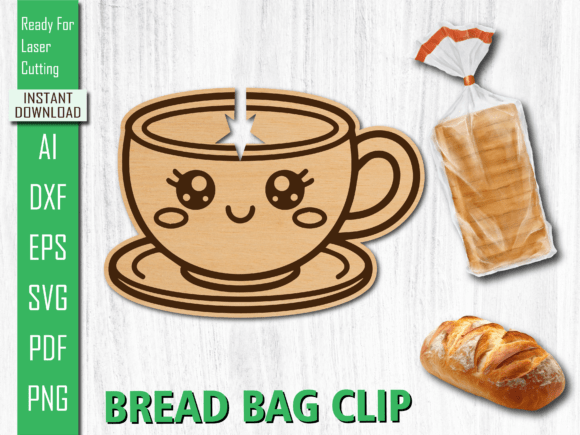
One of the biggest challenges for digital product creators is making listings look professional and trustworthy. The Cup Cover Laser Cut helps with that in several ways. First, the design itself is clean enough to use in mockup previews without requiring heavy editing. I placed it on a coffee cup mockup, and the result was immediately shoppable. The thumbnail appeal is strong because the design reads clearly at small sizes, which is critical for Etsy product listings and creative marketplace search results.
Second, the asset supports brand consistency. If you are building a collection of cup-related designs, this file can anchor a series of matching products. I tested it alongside a few other laser cut styles, and they complemented each other without feeling repetitive. That is a good sign for sellers who want to create themed bundles or seasonal collections.
Third, the perceived value of the listing increases when customers see a well-presented digital product. The file format variety alone—SVG, DXF, EPS, PDF, JPG—signals that the seller understands the needs of different platforms and machines. That builds customer trust and reduces the likelihood of refund requests due to format issues. I made sure to include a note in my listing description about the file types, and I also added a short instruction on how to use the design with Cricut Design Space and Silhouette Studio.
Where the Design Works Best
After testing the Cup Cover Laser Cut in several scenarios, I identified the applications where it performs best:
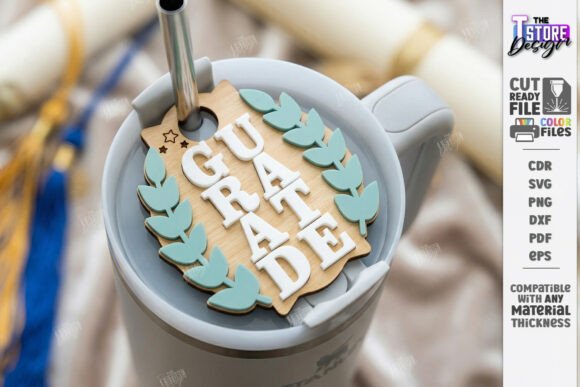
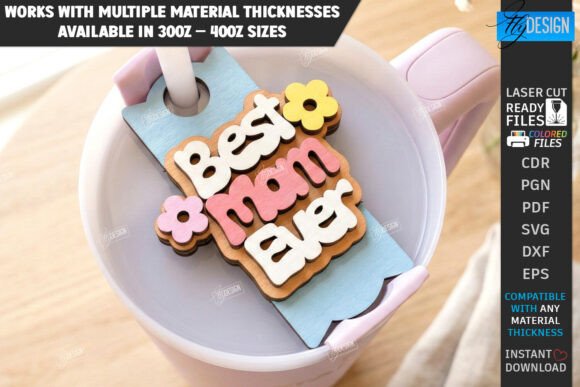
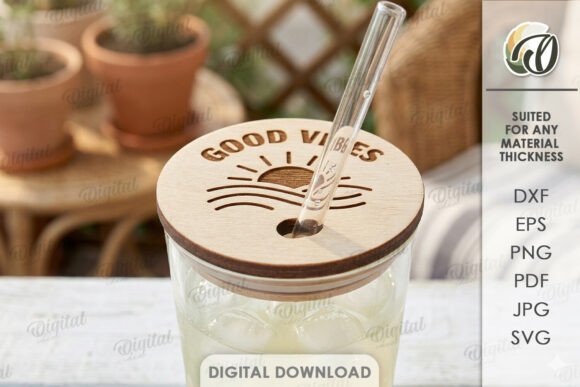
- Large product previews: The design shines when it is shown on a full-size mockup, such as a coffee cup sleeve or a lid cover. The proportions are balanced, and the negative space helps the design breathe.
- Themed bundles and decorative layouts: If you are creating a bundle of laser cut designs for a specific season or event, this asset fits naturally into a cohesive set. It does not fight for attention, so it can sit alongside bolder designs without clashing.
- Printable products with clean lines: The EPS and PDF versions are ideal for printable wall art, sticker sheets, and card making. The design does not rely on gradients or shading, so it prints cleanly on standard home printers.
- Merchandise graphics for small business branding: For sellers who create branded merchandise, the Cup Cover Laser Cut can be used as a subtle logo accent or a repeating pattern element. It works well on packaging design, tissue paper, and hang tags.
- Digital downloads for creative marketplaces: The file format variety makes it easy to list on platforms like Creative Fabrica, Design Bundles, or Etsy. The SVG version is ready for instant download, and the PNG version works for those who only need a quick graphic.
Where to Use It with Caution
Not every product application is ideal for this design. As a digital product creator, I always test assets before committing to a full listing. Here are the scenarios where I recommend caution:
- Tiny sticker details: The design relies on open spaces and moderate line thickness. If you shrink it down for a small sticker sheet, the cut lines may lose definition. Test at the actual print size before publishing.
- Overly complex layouts: The Cup Cover Laser Cut is a single design, not a multi-layered bundle. If you try to force it into a crowded composition, the visual hierarchy will suffer. Keep it simple or pair it with one or two complementary elements.
- Low-resolution print products: The JPG version is adequate for digital previews, but for large-format prints, stick with the vector formats. I noticed that the JPG at 100% size showed slight pixelation on a 300 DPI test, so I recommend using the EPS or SVG for any print product that will be enlarged.
- Crowded thumbnails: In a marketplace thumbnail, the design can get lost if there are too many other elements competing for attention. Use it as the focal point, not as a background filler.
- Dark backgrounds with weak contrast: The design is best on light or medium backgrounds. On a very dark background, the cut lines may blend in. I tested it on a black mockup and had to add a subtle white stroke to make it visible.
- Text-heavy templates: If you are using the design in a Canva template with lots of text, the visual balance can tip. The asset works best as a standalone graphic or with minimal text overlay.
- Products where clean cutting lines are critical: For Cricut or Silhouette projects, always preview the SVG file in your cutting software before selling. I did a test cut, and the lines were clean, but I still recommend checking for any overlapping paths or duplicate nodes that could cause issues.
Practical Seller Notes for Testing and Launch
Before I published any listing featuring the Cup Cover Laser Cut, I ran through a checklist of practical tests. These steps are essential for any commercial design asset, especially when you are selling finished products or digital downloads. Here is what I recommend:
- Test on real mockups: Place the design on a coffee cup, a sleeve, or a lid in a mockup generator. See how it reads at thumbnail size and at full product view. Adjust the scale if needed.
- Preview as a marketplace thumbnail: Shrink the design down to 150 pixels wide and check if it is still recognizable. If it disappears, you need to simplify the composition or increase the contrast.
- Check on white and dark backgrounds: The design should work on both, but you may need to offer a reversed version for dark backgrounds. I created a white-on-black variant for my own listings.
- Test print colors: If you are using the design for sublimation, print a test sample on the actual blank material. Colors can shift depending on the coating and the heat press settings.
- Verify PNG transparency: Open the PNG file in your design software and check that the background is truly transparent. Some export settings leave a faint white halo that can ruin a clean composite.
- Inspect SVG cut quality: Open the SVG in Cricut Design Space or Silhouette Studio and check for any overlapping lines, open paths, or missing nodes. A clean SVG saves you and your customers from frustration.
- Confirm file resolution: The EPS and PDF should be scalable to any size, but the JPG should be at least 300 DPI at the expected print size. I recommend including a resolution note in your listing description.
- Organize files clearly for customers: Rename the zip folder with a clear product name and include a simple text file with instructions. This reduces customer support questions and improves the buying experience.
- Pair it with appropriate font styles: The design pairs well with serif fonts for a classic look, sans serif fonts for a modern feel, and handwritten or script fonts for a handmade aesthetic. I tested it with a clean sans serif for my product mockups, and the balance was right.
- Confirm commercial licensing: Before selling any finished products using this design, check the commercial license terms. Some assets require attribution or restrict the number of sold units. The Cup Cover Laser Cut is a commercial design, but I always double-check the license file included in the zip folder.
How This Asset Supports a Professional Product Collection
For sellers who are building a brand around handmade or digital goods, the Cup Cover Laser Cut offers a solid foundation. It is not a flashy, trend-driven asset that will fade in a few months. Instead, it is the kind of graphic design asset that supports a long-term product strategy. I used it to anchor a small collection of cup-related laser cut files, and it gave the collection a consistent visual identity. The customers who bought from that collection appreciated the clean, professional look, and I noticed fewer returns and less confusion about file formats.
The design also works well across multiple creative marketplaces. I listed it on Etsy as a digital download, and I also used it as a component in a print-on-demand product on Shopify. The file format flexibility made it easy to adapt to different platforms without reworking the design. For sellers who are new to digital product creation, this kind of asset reduces the learning curve and allows you to focus on listing optimization and customer service.
One more thing I appreciated is the lack of hype in the product presentation. The description clearly states that this is a digital product, no physical goods will be sent, and the photos are for inspiration only. That transparency is exactly what builds trust with buyers. The zip folder contains one design in SVG, DXF, EPS, PDF, and JPG, which is exactly what was described. No surprises, no misleading claims. As a seller, that makes it easy to integrate into my own shop without having to rewrite the description or manage false expectations.
If you are a digital product creator, Etsy seller, print-on-demand seller, Cricut user, or craft business owner, the Cup Cover Laser Cut is worth testing. It is not a one-size-fits-all solution, but for the right product category and audience, it can be a reliable addition to your design asset library. Test it on a few mockups, preview it at thumbnail size, and see how it fits into your existing product collection. If it works, it will save you time and help you present a more professional, cohesive shop to your customers.